Posted on: August 25, 2026
Manufacturing is becoming a central pillar of Angola's economic diversification strategy. As the country seeks to reduce its reliance on imports and strengthen domestic production, several manufacturing industries are attracting growing interest from both local and international investors. However, choosing the right sector requires more than identifying market demand. Investors should also evaluate infrastructure, logistics, utilities, access to raw materials, and long-term growth potential before establishing operations.
This guide explores the manufacturing industries with the strongest investment prospects in Angola and explains the operational factors businesses should consider before selecting an industrial location.
For many years, Angola's economy relied heavily on oil exports. Today, the government's long-term objective is to diversify economic activity by encouraging investment in productive sectors, including manufacturing. This transition creates opportunities for businesses that can supply goods currently imported into the country while serving a growing domestic market and, increasingly, neighbouring countries. Rather than competing solely on labour costs, Angola's manufacturing potential is driven by three factors:
According to the World Bank, economic diversification and private sector development remain key priorities for Angola's long-term growth. Angola's industrialisation strategy places manufacturing at the centre of long-term economic development, with policies designed to encourage local production and private investment. Further information is available from the Ministry of Industry and Commerce.
Not every manufacturing sector offers the same level of opportunity. Before selecting an industry, investors should consider several operational and commercial factors, including:
International organisations such as UNIDO also emphasise that industrial competitiveness depends not only on production capacity but also on infrastructure, skills and integrated industrial ecosystems. Answering these questions helps investors focus on sectors where long-term competitiveness is more likely.
Food processing is widely considered one of Angola's most promising manufacturing sectors. The country has significant agricultural resources, yet many processed food products continue to be imported. Expanding local processing capacity creates opportunities to add value within Angola while reducing dependence on imported finished goods. For businesses with experience in agribusiness, food processing offers the potential to combine local sourcing with growing consumer demand. Potential areas include:
Continued investment in housing, commercial property and infrastructure is increasing demand for construction materials. Local manufacturing can reduce transport costs, improve supply reliability and shorten delivery times for construction projects across the country. Investment opportunities include:
Healthcare demand continues to increase, creating opportunities to strengthen domestic pharmaceutical production. Although many medicines and medical products are imported, developing local manufacturing capacity could improve supply resilience while supporting the country's broader industrial strategy. Potential investment areas include:
As Angola expands its energy infrastructure and increases investment in renewable energy, manufacturers supplying equipment and supporting technologies are expected to find new opportunities. While still an emerging sector, renewable energy manufacturing aligns with both industrial development and long-term sustainability objectives. Potential growth areas include:
Automotive manufacturing remains an emerging sector in Angola, but opportunities are developing in vehicle assembly, machinery production, industrial equipment, and related support services as industrial activity and local supply chains continue to expand. While the sector is still less established than food processing or construction materials, it offers long-term potential for specialised manufacturers and engineering companies seeking to enter Angola’s growing industrial market.
Potential areas include:
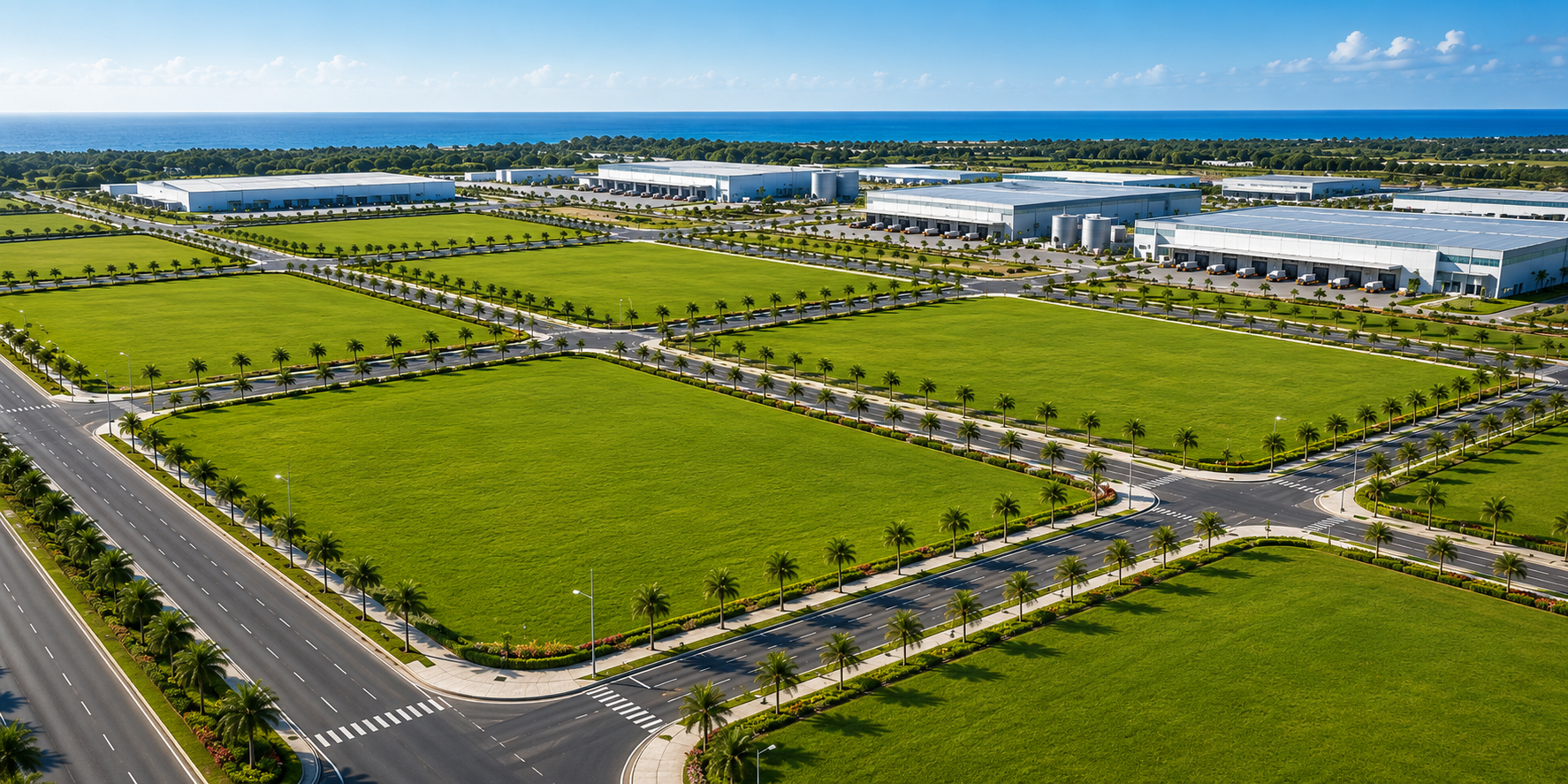
Manufacturers require more than industrial land. They need an environment that supports efficient production, reliable logistics and future growth. Dubai Investments Park Angola (DIP Angola) has been designed to meet these requirements through a master-planned development that integrates industrial, logistics, commercial and residential zones within a single ecosystem.
Located in Barra do Dande, with the Atlantic coastline on one side and the EN-100 highway on the other, the development offers businesses strategic connectivity and the flexibility to expand as operations grow. For manufacturers planning long-term investment in Angola, integrated developments such as DIP Angola can help reduce operational complexity and create more efficient industrial environments.
Manufacturing is becoming an increasingly important part of Angola's economic transformation. Opportunities exist across multiple industries, particularly where local production can meet growing domestic demand and reduce reliance on imports. As highlighted by UNCTAD, countries that strengthen productive capacity and industrial ecosystems are often better positioned to attract long-term foreign direct investment.
However, successful manufacturing investment depends on more than selecting the right sector. Infrastructure, logistics, utilities and industrial location all influence long-term competitiveness. For businesses exploring manufacturing opportunities in Angola, developments such as Dubai Investments Park Angola provide an integrated environment designed to support efficient industrial operations, sustainable growth, and the future expansion of a diverse range of sectors.

You can download our brochure for more information about the project Download