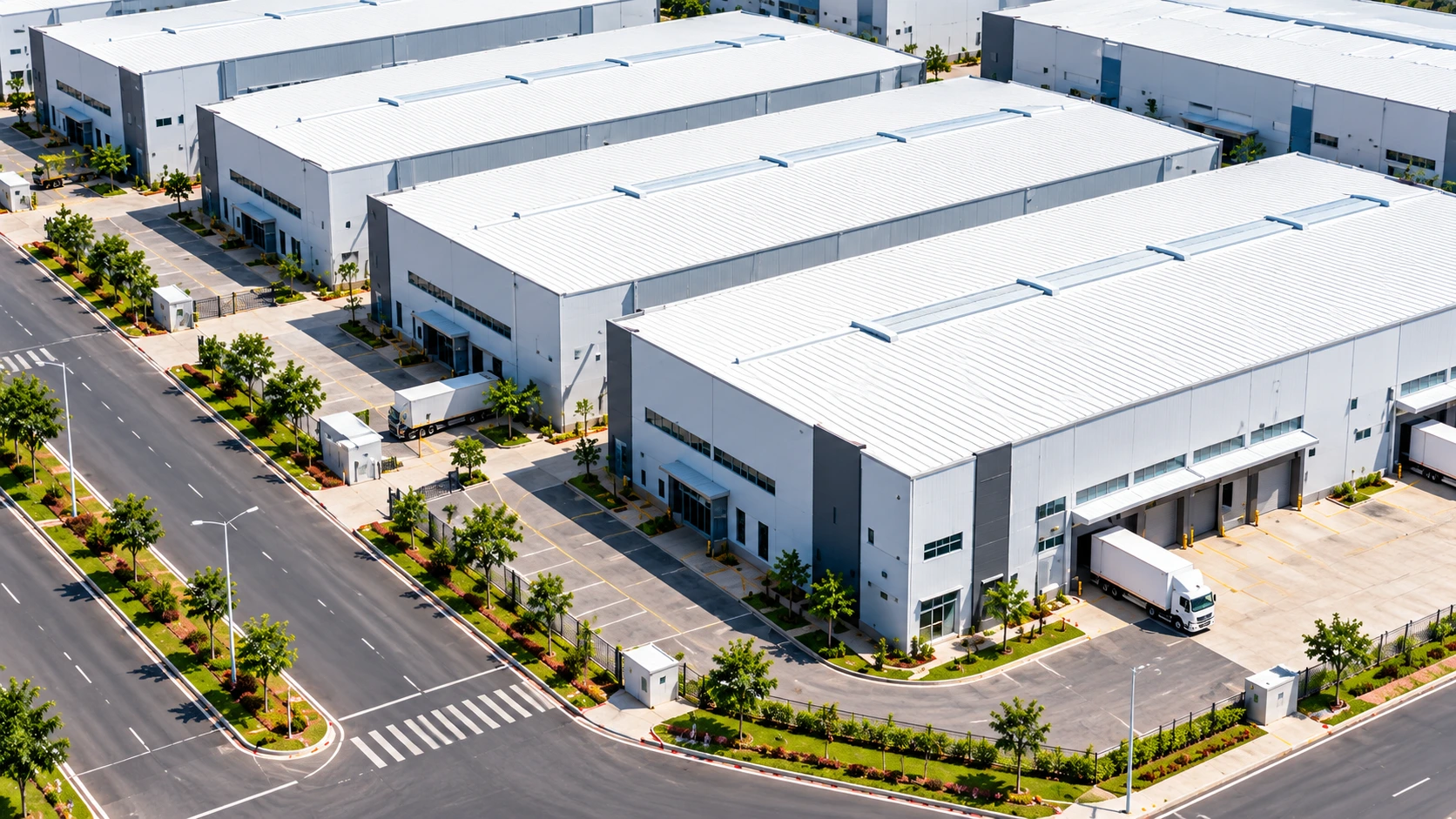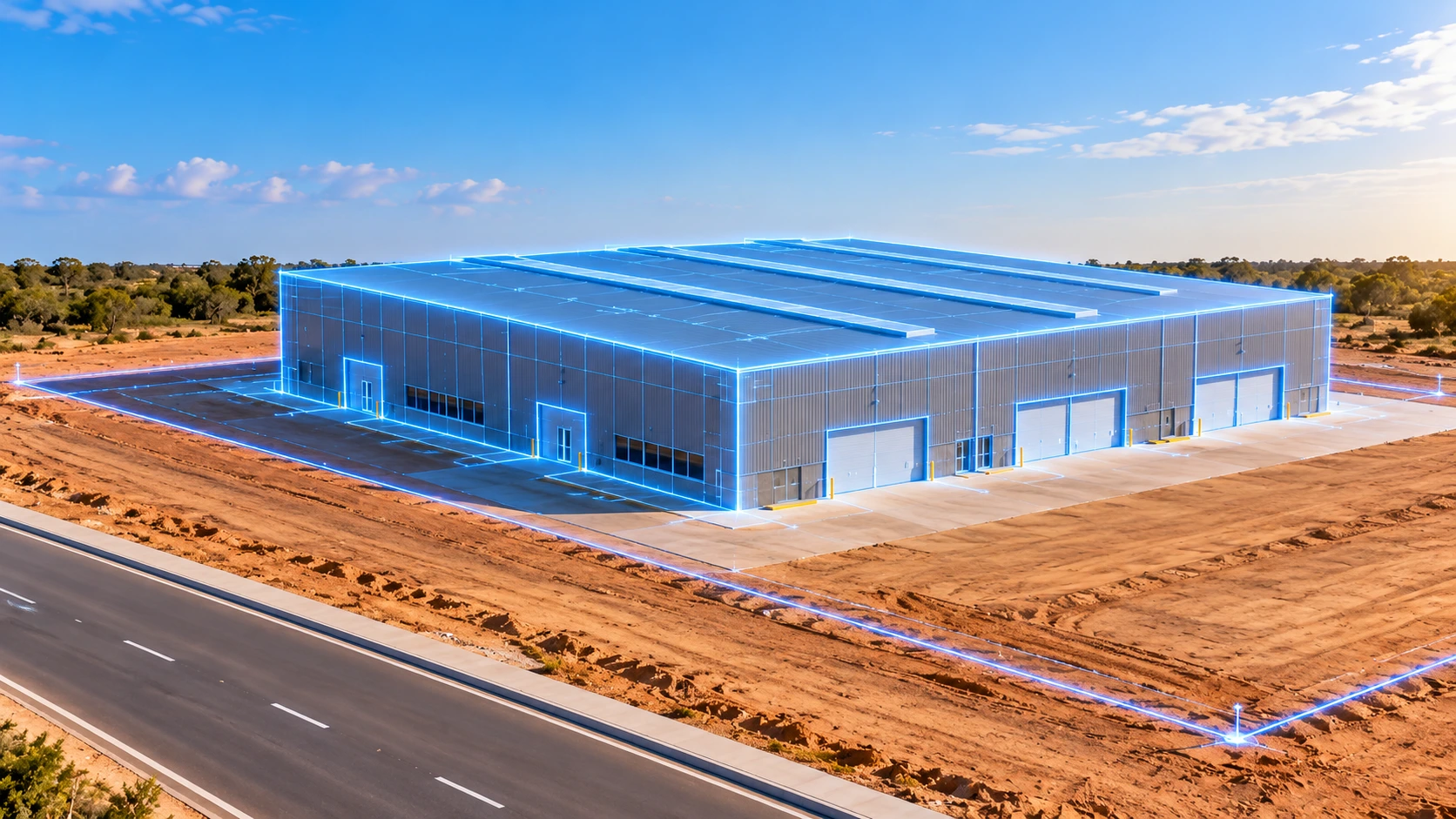
The right industrial site depends on your supply chain, not just on its distance from central Luanda. Compare access to ports and customers, freight-route reliability, utility availability, legal land rights and room for expansion. Locations around Luanda and the EN-100 corridor serve different operational needs.
For manufacturers, distributors and investors, industrial land near Luanda offers access to Angola’s largest urban market and a key gateway for imported goods. But choosing a location involves more than measuring kilometres on a map. A site that appears close to a port can still create costly delays if trucks face congestion, restricted access or inadequate roads.
The practical question is whether a site can support current day-to-day operations and future expansion. The following framework helps businesses compare industrial plots in Luanda and surrounding corridors without relying solely on promotional claims.
A factory or distribution centre depends on predictable flows: incoming materials, outgoing products and reliable staff access.When these flows are unreliable, transport costs, stock requirements and delivery times rise. Three tests help distinguish an attractive plot from a site capable of supporting efficient operations.
1. Port and cargo access
Start by identifying the origin and destination of your goods. Import-dependent businesses should examine their actual routes from the Port of Luanda, including clearance, container collection and delivery windows. Exporters may have different requirements for cargo handling, storage and onward transport links.
The Port of Luanda’s multipurpose terminal is being developed under a long-term concession involving AD Ports Group. A separate port terminal is also planned at Barra do Dande, which could influence future logistics options north of the capital. Planned port capacity, however, should not be treated as operating infrastructure when evaluating a site today.
Check travel times under realistic conditions, including peak-hour traffic, rainy-season conditions and heavy-vehicle movements. Check for paved access roads, adequate road width, safe junctions and sufficient turning space for the vehicles your business will use. A shorter route is not necessarily the more reliable or economical one.
Test a typical operating day by mapping one inbound shipment, one outbound delivery and one employee commute. This exposes costs that headline plot prices rarely show, from driver waiting time to transport arrangements for shift workers.
Industrial sites closer to Luanda can provide shorter access to urban customers, suppliers and labour. This may suit businesses making frequent, smaller deliveries or requiring regular visits from customers and contractors. Potential trade-offs include congestion, limited expansion space and the need to verify utility capacity. Each site must be assessed individually; city proximity alone does not guarantee operational efficiency.
The EN-100 corridor towards Bengo
The EN-100 corridor towards Bengo and Barra do Dande offers another location option to consider, particularly for companies seeking larger plots, purpose-built premises or longer-term expansion. Its suitability depends on how well a proposed site connects to the road network, the status of on-site infrastructure and the business’s delivery destinations.
For operations serving central Luanda every day, added travel distance may increase last-mile costs. For businesses needing more land or a combined production-and-warehouse model, the balance can be different. The choice should be based on a route and cost assessment rather than a general ranking of locations.
A sound comparison considers the full cost and readiness of land, not just the advertised price per square metre.
Foreign investors should seek local legal guidance on land rights and investment procedures, including the role of AIPEX. For a broader review, see our guide to industrial land in Angola and Investing in Angola guide.
DIP Angola is a planned 2,000-hectare mixed-use development at Barra do Dande, approximately 50 km north of Luanda, along the EN-100 corridor. Its 400-hectare Phase 1 is intended to support industrial activities, alongside broader commercial and community uses.
For companies evaluating industrial plots near Luanda, the project may be relevant where plot scale, planned infrastructure and space for future growth are priorities. Its location along the EN-100 is also worth considering for businesses whose operations can accommodate longer journeys to and from central Luanda.
As with any development in progress, investors should confirm which plots and utility connections are currently available, the applicable technical specifications, the infrastructure delivery commitments and any additional costs. The proposed Barra do Dande port terminal should be evaluated as a future possibility, not an existing logistics connection.
If you are comparing locations for a manufacturing or logistics operation, assess your site needs first. To explore one option on the EN-100 corridor, submit an industrial land enquiry or contact the DIP Angola team for project-specific availability and technical information.
Industrial parks in Angola for foreign investors
Logistics and warehousing in Angola: a cargo-first guide
Industrial zones in Angola for manufacturing companies
World Cargo News — Luanda multipurpose port concession
Macau Business — Barra do Dande port terminal plans

You can download our brochure for more information about the project Download