Industrial parks can create opportunities far beyond industrial land. Alongside factories, they can accommodate logistics, suppliers, maintenance firms, business services, retail, and other activities that support a working industrial community. For foreign investors, the opportunity is to understand the ecosystem, the demand it can generate, and the phase of development—not simply to choose a plot.
When investors hear “industrial park”, they often imagine factory buildings and warehouses. Those activities are important, but they are only part of the picture. A functioning industrial destination also depends on the companies that move goods, maintain equipment, supply materials, serve employees, and connect businesses to customers.
TThis broader view matters in Angola, where industrial parks in Angola are attracting interest across manufacturing, trade, logistics and the services needed to support new business activity. The question is not only where an investor can operate, but which gaps a growing business cluster may create.
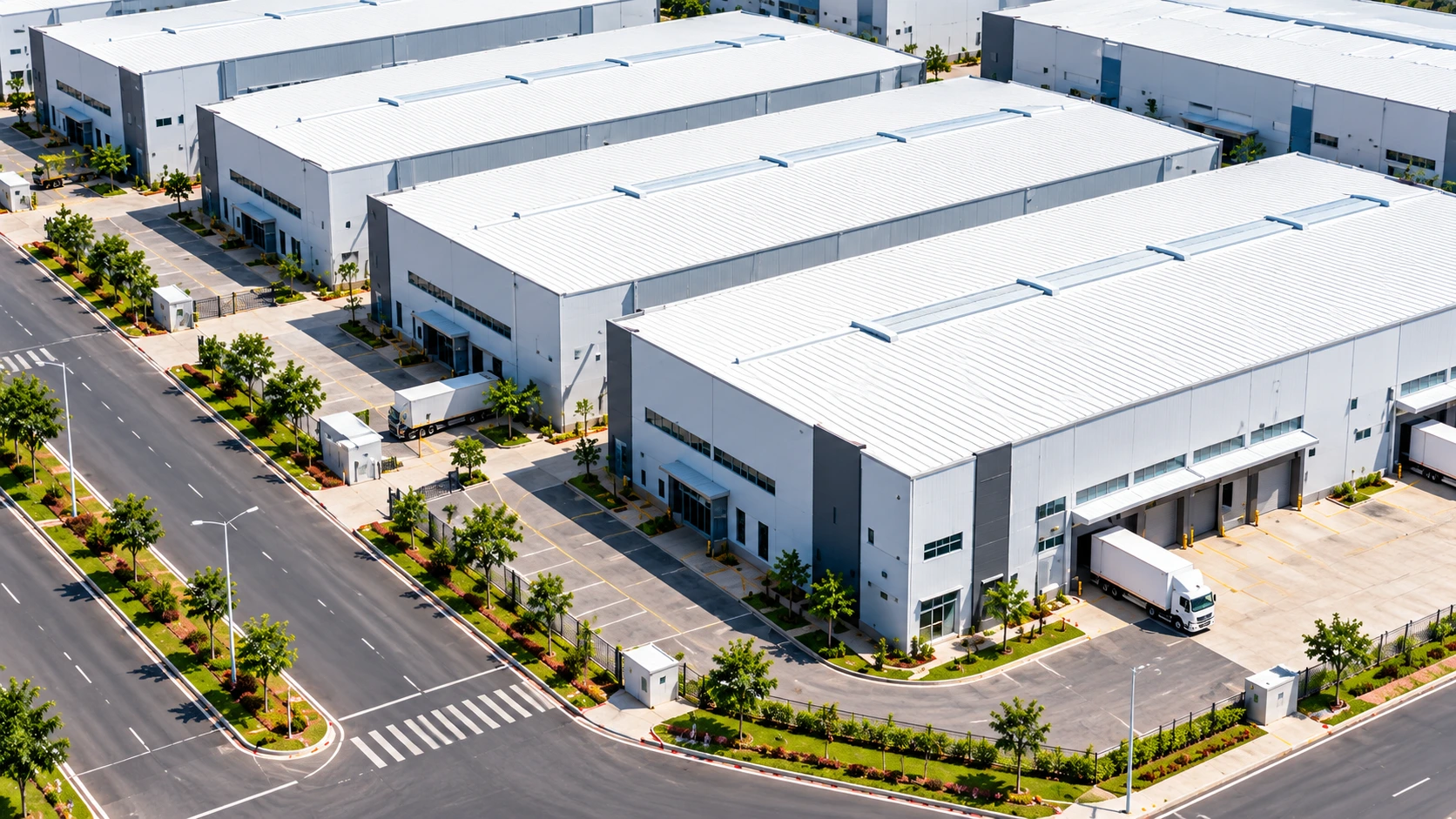
Industrial parks work best when different businesses reinforce one another. A manufacturer needs transport and packaging. A logistics operator needs customers, storage, and vehicle support. Employees need everyday services. As more activities come together, the park can develop an economic role beyond the individual businesses located there.
For investors, this means there can be several ways to participate, depending on the park’s land-use rules, current development phase, and actual demand.
Manufacturing and processing. Factories remain an important anchor. Food processing, building materials, consumer goods, and other producers can benefit from access to suppliers, utilities, and routes to market. Their presence can, in turn, stimulate demand for surrounding services.
Logistics and distribution. Warehousing, freight handling, inventory management and distribution are relevant to businesses moving inputs and finished goods. Operators should assess cargo volumes and existing transport connections rather than assuming that planned infrastructure will generate demand immediately.
Industrial support services. Equipment maintenance, technical contracting, packaging, waste management, security and facilities services help businesses operate day to day. These activities may serve multiple occupiers rather than relying on one large customer.
Commercial and workforce services. Food outlets, convenience retail, financial services, training and other amenities can support workers and visiting businesses. Their prospects depend on the number of people on site and the pace at which the wider development becomes active.
Real estate and complementary development. Some mixed-use parks also provide for offices, commercial buildings or residential communities. These are different investment propositions from industrial operations, often with different approvals, financing needs and demand cycles.
Start with the business model. Are you an owner-operator, a logistics tenant, a service provider, or a developer? Each model requires a different assessment. A supplier needs a credible customer base; a manufacturer needs sufficient utility capacity; a retail operator needs footfall; a developer needs evidence of long-term demand. Then look beyond the masterplan. Five practical questions help distinguish a credible opportunity from a concept that is still taking shape:
Investors should also assess currency exposure, imported inputs, local staffing and sector-specific licensing. Angola’s investment framework should be reviewed with local advisers and the relevant agencies, including AIPEX.
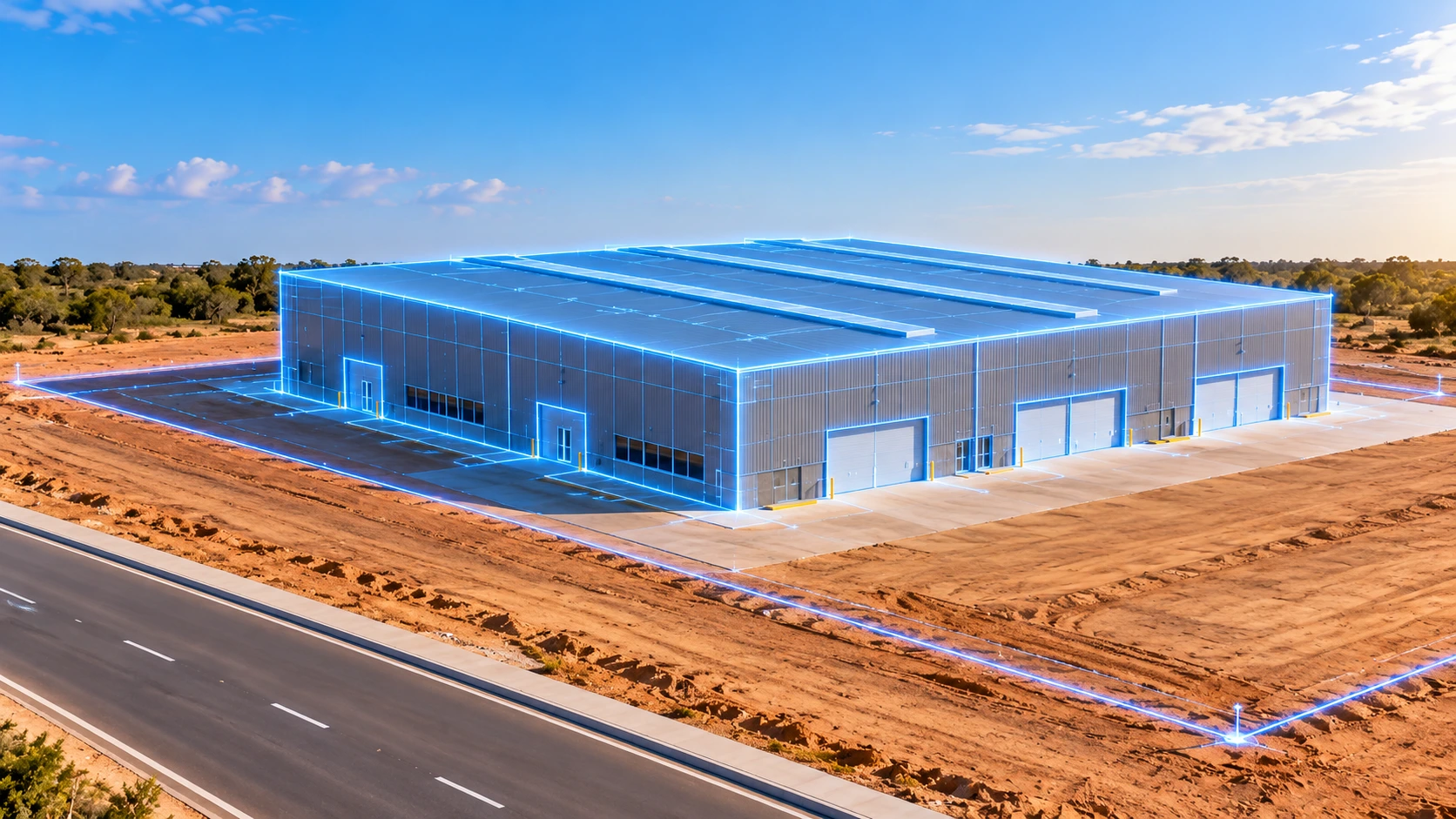
One example among emerging industrial parks in Angola is DIP Angola, a 2,000-hectare mixed-use development in Barra do Dande, Bengo province, approximately 50 km from Luanda along the EN-100. Rather than focusing exclusively on factories, its masterplan brings together industrial, logistics, commercial and residential uses.
Its first phase covers approximately 400 hectares, and the project identifies manufacturing, logistics and other business activities among its target sectors. Trice Chemicals has been announced as its first manufacturing tenant, illustrating one type of enterprise planned for the industrial cluster.
For other investors, the relevant question is how their activity might fit within the wider development: as a producer, logistics operator, supplier, service business or participant in a future commercial component. Availability, permitted uses and delivery schedules should be confirmed with the project team. Features envisaged in the mixed-use concept should be distinguished from facilities already in operation.
For foreign investors exploring opportunities within Angola’s growing industrial park ecosystem, DIP Angola offers a mixed-use development designed to accommodate diverse business activities. Explore the DIP Angola project and contact our team to learn more about investment opportunities across its industrial, commercial, and other planned development sectors.

You can download our brochure for more information about the project Download