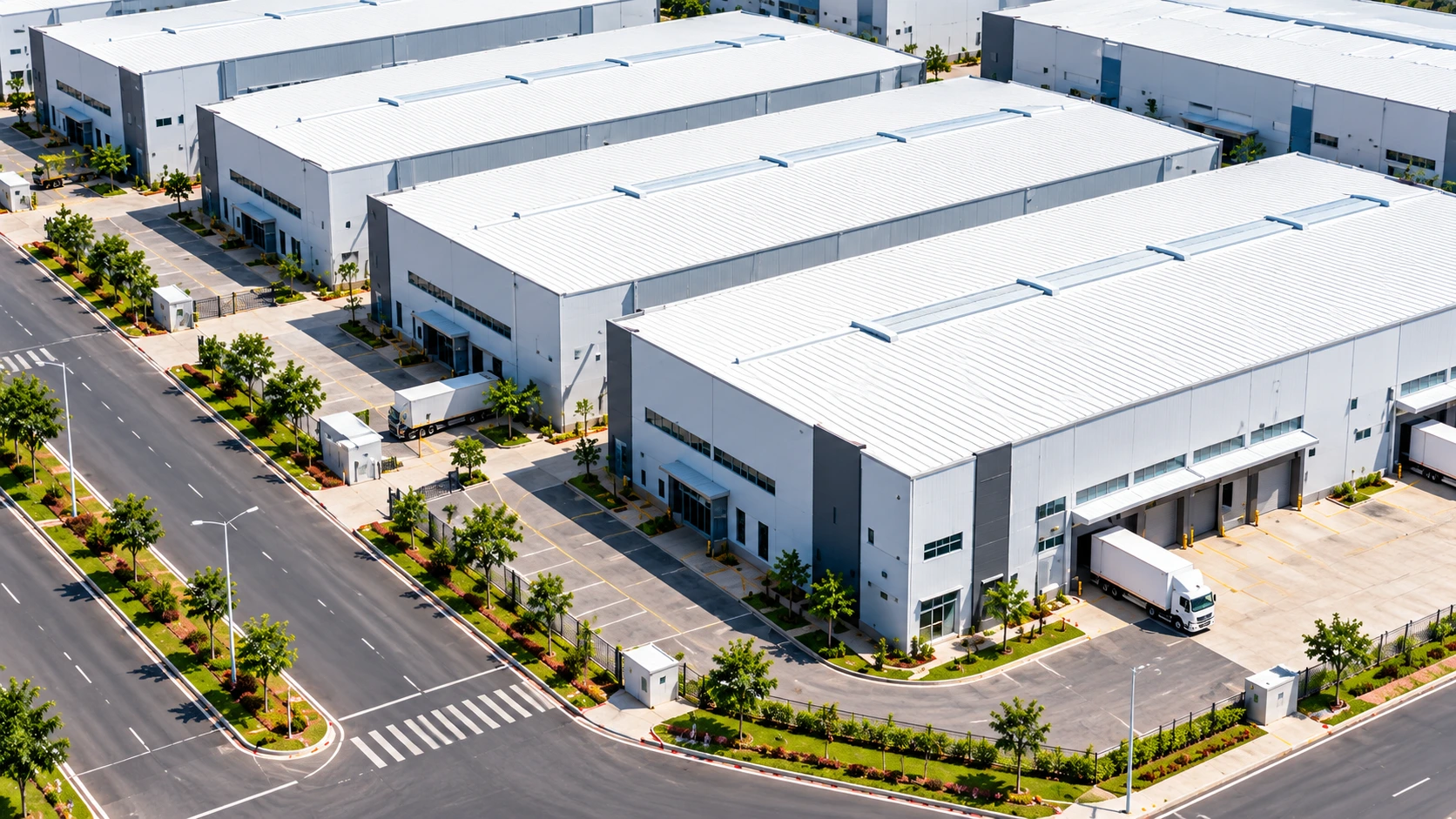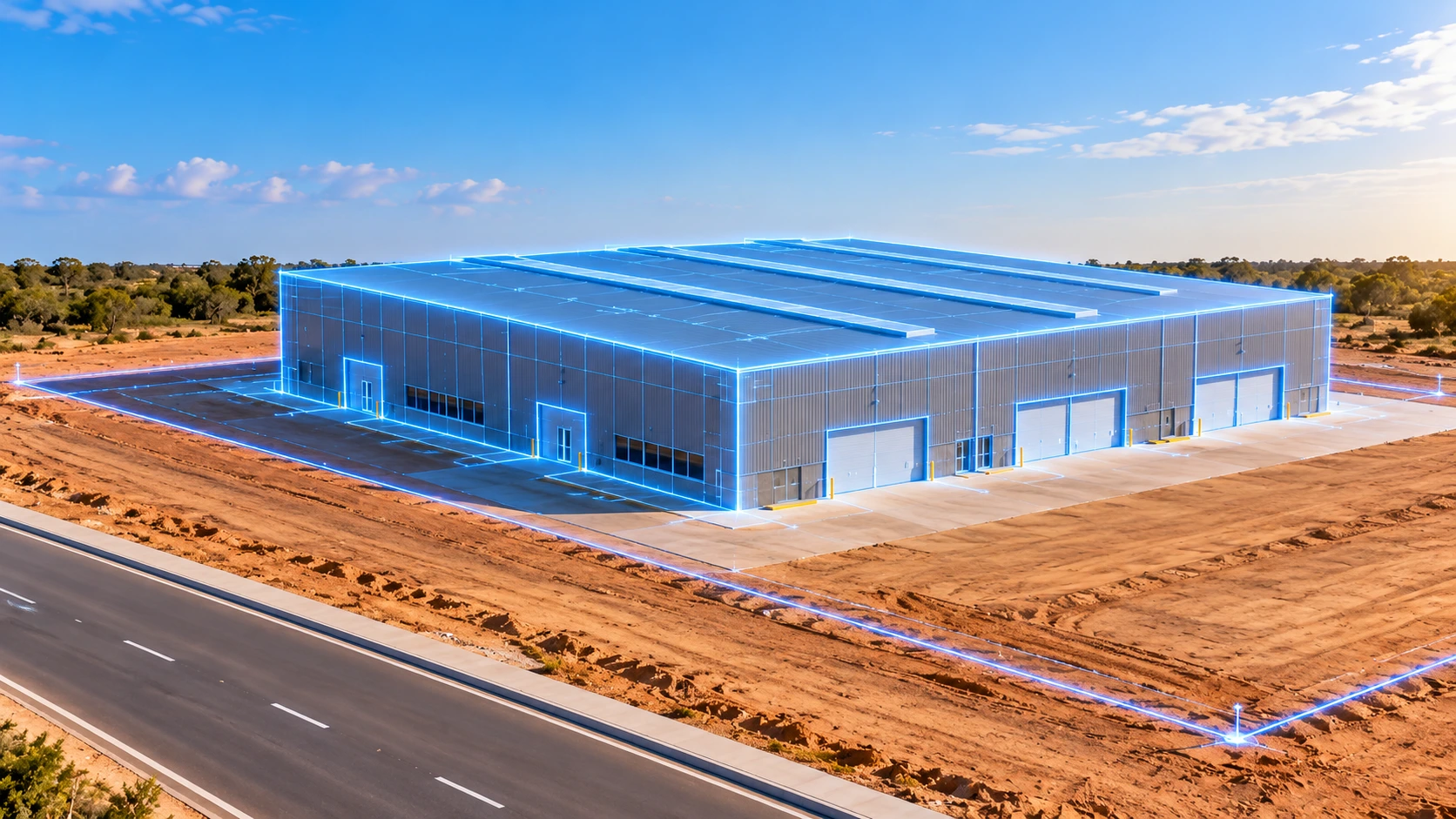
The best warehouse location in Angola depends on the cargo flow, not simply on proximity to Luanda. Operators should assess where goods enter the country, where customers are concentrated, what utilities the operation needs, how often trucks move, and whether future expansion is likely. Greater Luanda may be better suited to frequent urban deliveries, while locations along strategic road and port corridors may be more suitable for larger, purpose-built logistics and light industrial facilities.
A warehouse is valuable only when it helps goods move through the supply chain efficiently. The right location can reduce transport times, streamline stock movements, improve delivery reliability and allow for future expansion. For companies evaluating logistics and warehousing in Angola, location decisions should therefore begin with the operating model: what is being stored, how it enters the country, where it needs to go next, and how frequently it moves.
The following criteria are relevant across most logistics models and help avoid choosing a site based only on headline land cost or distance from central Luanda.
There is no single “best” warehouse location in Angola. Different operating models point to different types of sites.
| Operating model | Location type to assess first | Why |
|---|---|---|
| Fast urban distribution | Sites in or close to Greater Luanda | Closer access to the country’s largest concentration of consumers and businesses can support frequent deliveries and shorter last-mile routes. |
| Import distribution with high stock turnover | Locations with efficient access between port infrastructure and Luanda demand centres | The priority is reducing dwell time and maintaining reliable inbound and outbound truck movement. |
| Large-format warehousing or distribution centre | Peri-urban or corridor locations with larger plots | More land can allow deeper yards, higher truck capacity, future extensions and purpose-built facilities. |
| Distribution plus light assembly | Industrial or mixed logistics zones | Locating storage, assembly and support services within the same development can simplify operations and reduce internal transport. |
| Bulk or export-oriented logistics | Sites positioned near strategic road and future port infrastructure | Land scale and route access may matter more than immediate proximity to the city centre. |
Angola is also investing in port infrastructure. For warehouse and distribution operators, these projects matter because they can change the economics of where cargo is received, stored and redistributed. But planned infrastructure should be treated as future potential until construction, commissioning and operating timelines are confirmed.
External references for port and infrastructure due diligence may include World Cargo News, Forum Macao and official Angolan transport and port authorities. Project timelines should always be checked at the point of investment.
Luanda remains an important logistics market because it concentrates a large share of Angola’s consumer and business demand and connects directly to the country’s principal port infrastructure. For retail distribution, FMCG, spare parts and other high-turnover goods, proximity to customers can reduce delivery distances and support faster replenishment.
However, an urban or near-urban warehouse should be tested against actual operating conditions rather than distance alone. Congestion, truck access, loading constraints, plot size, and the cost of future expansion can offset the benefit of being closer to the city.
For wider context on the Port of Luanda and its terminal development, operators can review information from AD Ports Group and relevant port authorities when conducting site due diligence.
For operators planning a larger distribution centre, combined warehouse-and-assembly model or a facility that may expand over time, strategic road corridors outside the urban core can offer a different proposition. The decision should focus on road connectivity, infrastructure delivery, land availability, labour access and the timing of nearby transport projects.
The EN-100 corridor and Barra do Dande are examples of areas to evaluate in this context. Their relevance comes from road access, available development land and wider infrastructure investment north of Luanda. However, each project should be assessed against what is operational today versus what remains planned or under development.
DIP Angola is a 2,000-hectare mixed-use development at Barra do Dande, around 50 km from Luanda along the EN-100. Logistics and warehousing are among the sectors identified for the development, alongside manufacturing, commercial uses and supporting services.
For logistics operators, the relevant question is not simply whether the park offers warehouse-related uses, but whether its site characteristics fit the operating model. Points to evaluate include available plot sizes, access to the EN-100, Phase 1 infrastructure, truck circulation, utility capacity, workforce access, and the ability to combine warehousing with light industrial activity.
The development plan also includes planned residential and commercial components, which may be relevant to companies with larger workforces or long-term expansion plans.
If you are assessing a new logistics or warehouse location, start with your cargo flow, utility needs, truck movements, and growth plan. To assess whether DIP Angola fits those requirements, submit an industrial land enquiry, download the brochure, or explore the full project.

You can download our brochure for more information about the project Download