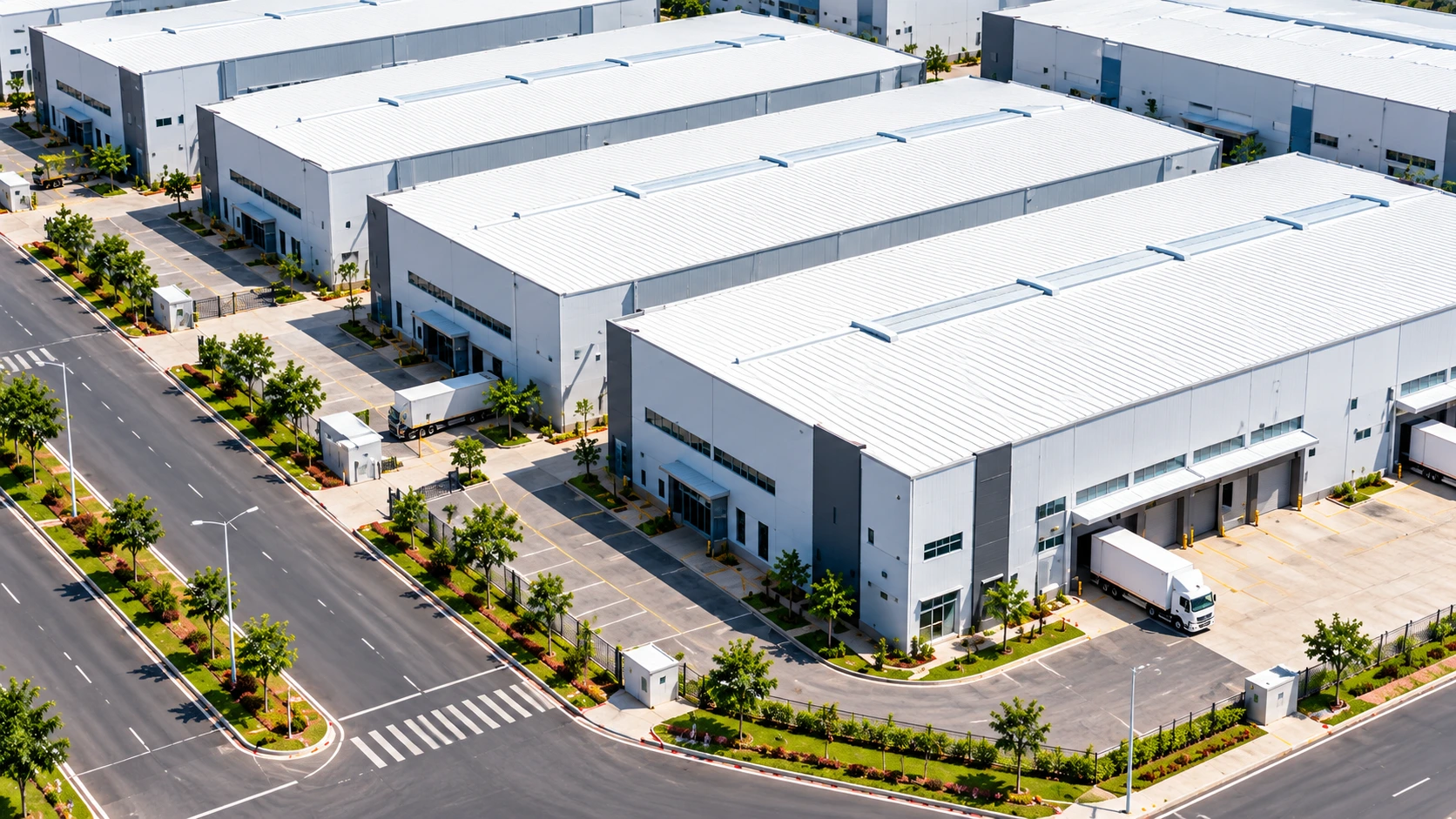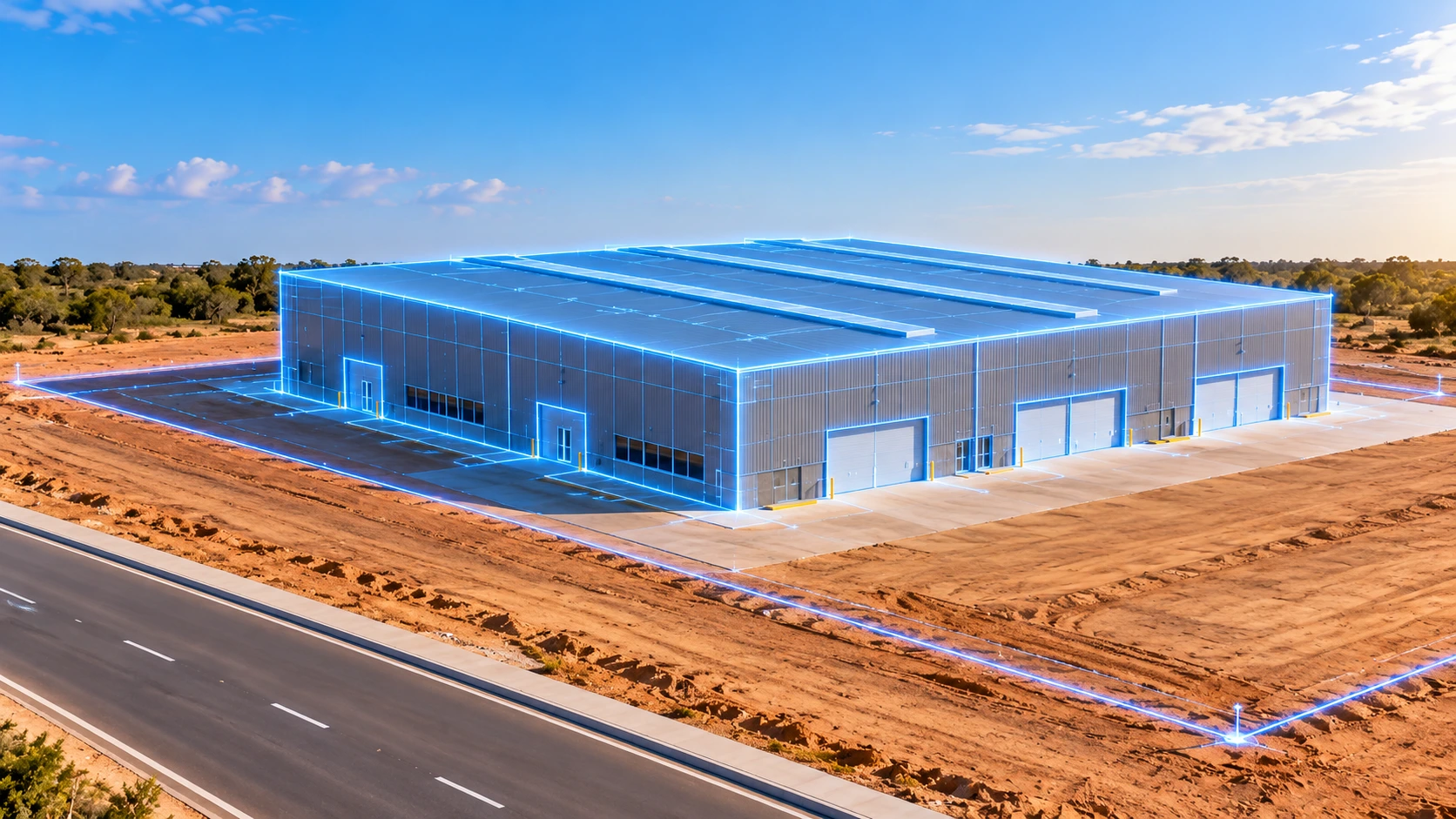
The right industrial zone for a manufacturer is not necessarily the one with available land. It is the one that can support the factory’s specific utility load, logistics pattern, compliance requirements, workforce needs, and future expansion. Food processing, building materials, pharmaceuticals, chemicals, and assembly operations each place different demands on a site. In Angola, manufacturers should compare industrial locations against these operational requirements before evaluating incentives or headline land prices.
Manufacturing in Angola is increasingly linked to a broader economic objective: producing more goods locally, reducing dependence on imported goods and building stronger domestic supply chains. The opportunity is real, but it is not uniform across sectors. A food factory needs a different site from a cement-products plant; a pharmaceutical operation has different utility and compliance requirements from an automotive assembly line.
Angola’s economy expanded by 4.4% in 2024, according to the World Bank, with activity supported by both oil and non-oil sectors. For manufacturers, however, macroeconomic growth is only part of the decision. The practical question is whether a chosen location can support production reliably and at a cost structure that makes the business competitive. World Bank: Angola Economic Update
A serious site-selection process should start with operating requirements rather than a brochure. Before a company decides where to set up a factory in Angola, it should test each potential industrial location against the following factors.
The table below shows why industrial zones in Angola for manufacturing should be compared by sector. The “best” location will depend on the production process, supply chain, and customer base.
| Sector | Site priorities | Questions to verify before committing |
|---|---|---|
| Food and beverage | Water quality and volume; hygiene; drainage; cold-chain logistics; access to consumers and distributors | Is process water available at the required volume? How will wastewater be handled? Can refrigerated or time-sensitive deliveries move efficiently? |
| Building materials | Large plots; truck access; open yards; storage; proximity to construction markets; high power for some processes | Can heavy vehicles enter and turn safely? Is outdoor storage permitted? Is there enough land for stockpiles and future lines? |
| Pharmaceuticals | Stable utilities; controlled environments; backup systems; quality and regulatory compliance; secure logistics | Can the site support clean production requirements and redundancy? What approvals and standards apply to the planned products? |
| Chemicals and hygiene products | Utility capacity; safe storage and handling; separation distances; drainage; logistics for raw materials and finished goods | What materials can be stored on site? What environmental and fire-safety requirements apply? Is port or highway access important for inputs? |
| Packaging and light manufacturing | Flexible plot/building size; power; logistics; labour access; proximity to FMCG and industrial customers | Can the location serve multiple customer clusters efficiently? Are warehouse and light-production uses both permitted? |
| Renewable-energy equipment and technical industries | Land; grid interface; technical services; specialised logistics; future expansion | Does the project require oversized cargo access, high power or specialised technical infrastructure? |
For some manufacturers, a planned industrial development can reduce the number of site-related variables they must solve independently. Instead of securing isolated land and then arranging roads, utility connections, drainage and supporting services separately, a manufacturer may be able to locate within a master-planned environment where these elements are being developed as part of one project.
That does not mean every industrial park is suitable for every factory. Investors should still verify actual infrastructure readiness, permitted activities, available plot sizes, utility capacity, construction requirements, recurring charges, and expansion options. The value of an industrial zone is operational clarity, not simply the existence of a boundary around industrial land.
One project manufacturers can include in that comparison is Dubai Investments Park Angola (DIP Angola), a 2,000-hectare mixed-use development in Barra do Dande, Bengo Province, approximately 50 km from Luanda. Its masterplan includes industrial, logistics, commercial, residential and supporting uses, with the Northern Cluster forming the main industrial area. Explore the DIP Angola development concept.
For manufacturing investors, the most relevant point is Phase 1: approximately 400 hectares planned to establish the first stage of the development. DIP Angola states that industrial plots include roads, power, water, and drainage infrastructure, and the project is located along the EN-100 corridor, with access to Luanda and the wider Barra do Dande area. DIP Angola industrial land enquiry.
| Factory requirement | DIP Angola advantage |
|---|---|
| Industrial land and expansion | A 2,000-hectare masterplan gives the development scale for multiple uses; investors should confirm currently available plots and adjacent expansion options for their specific requirement. |
| Utilities | DIP Angola markets serviced industrial plots with roads, power, water, and drainage infrastructure. Exact capacities and connection conditions should be validated against the factory load. |
| Road access | The project is located on the EN-100 corridor, approximately 50 km from Luanda, which is relevant for factories serving the capital and national distribution routes. |
| Mixed-use ecosystem | The wider plan combines industrial, commercial, residential, and public facilities, which may matter to companies considering workforce access and long-term business support. |
| Sector fit | The project targets manufacturing and processing activities across sectors including chemicals, pharmaceuticals, food, building materials, automotive-related activity, logistics and warehousing. |
In October 2025, DIP Angola signed its first manufacturing tenant, Trice Chemicals IND. LLC. The UAE-headquartered manufacturer of hygiene, cleaning and specialty chemicals is establishing a facility on a 26,000 sq m plot in the Northern Cluster of Phase 1. The announcement provides a useful reference point for other manufacturers evaluating how the industrial component is intended to operate. Read the DIP Angola first-tenant announcement.
More recently, DIP Angola reported in May 2026 that it had signed nine contracts covering industrial, residential and commercial plots, with interest from sectors including iron, steel, glass, pharmaceuticals and chemicals. For prospective occupiers, these milestones are useful indicators of commercial progress, but they do not replace project-specific technical due diligence. DIP Angola project progress update.
If you are comparing locations for a new factory in Angola, start with your production requirements: sector, plot size, utility load, logistics, workforce and expansion plan. Use those criteria to shortlist industrial zones, then request technical information for the sites that match.
Considering Barra do Dande? Submit an industrial land enquiry to DIP Angola to discuss available plots and test the site against your manufacturing requirements. Submit an industrial land enquiry.

You can download our brochure for more information about the project Download